Wendy Keller · 26 September 2026
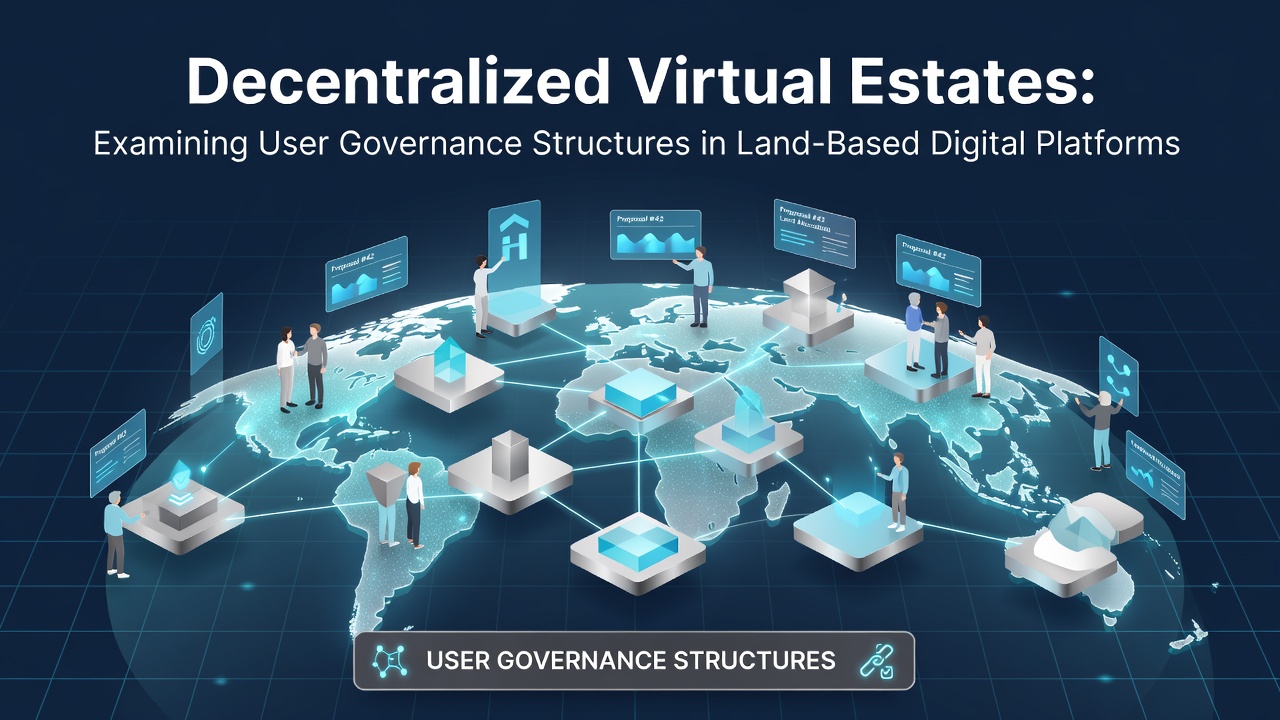
Decentralized Virtual Estates: Examining User Governance Structures in Land-Based Digital Platforms
Land ownership in digital environments has evolved from simple pixel grids into complex systems where blockchain records establish permanent titles and users shape platform rules through structured voting mechanisms, and this shift draws attention from developers, regulators, and academic observers alike. Platforms built on distributed ledgers allow participants to acquire parcels that function as virtual real estate, complete with programmable features and economic value tied to scarcity and location.
Blockchain Foundations for Digital Land Titles
Smart contracts record ownership transfers on public ledgers so that each parcel carries an immutable history accessible to anyone with network connectivity, and this transparency reduces disputes over boundaries while enabling secondary markets for trading deeds. Data from multiple platforms show transaction volumes rising steadily through 2025, with September 2026 scheduled to bring protocol upgrades that introduce new staking requirements for governance participation across several major networks.
DAO Structures and Token-Based Decision Rights
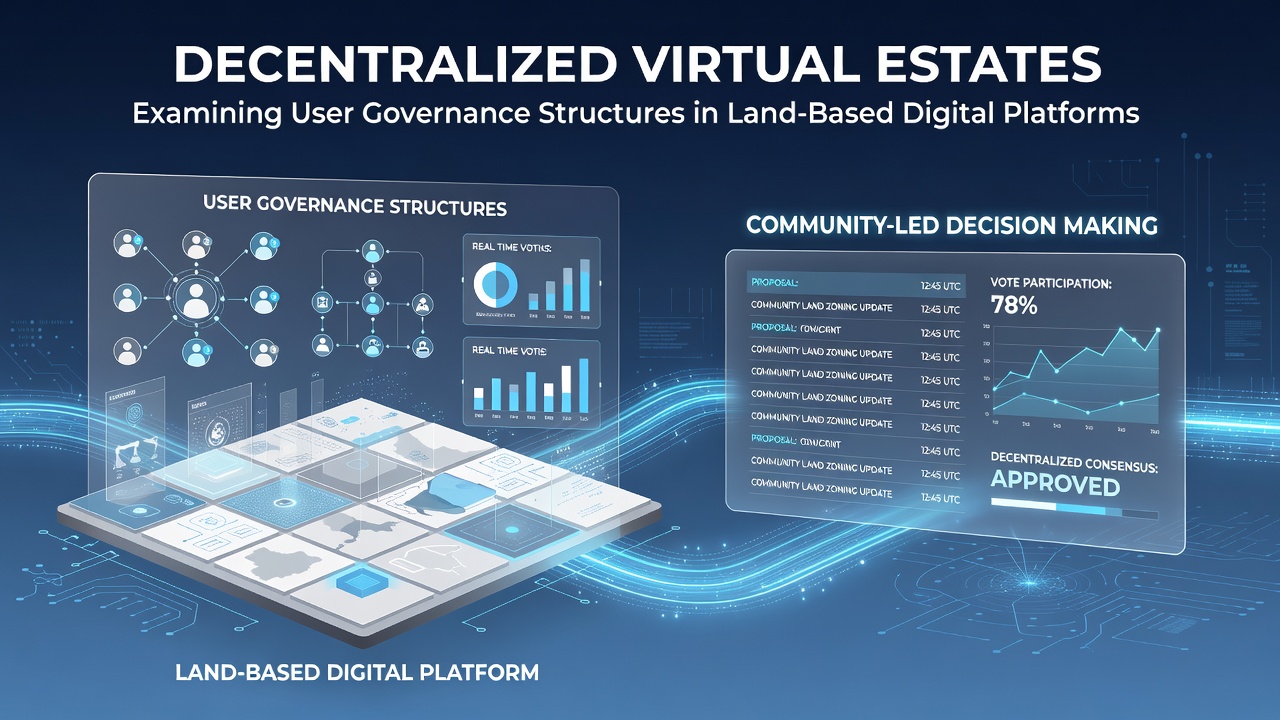
Decentralized autonomous organizations manage policy proposals through token-weighted votes where holders submit changes to land use rules, zoning restrictions, and revenue distribution from platform fees, and these systems typically require minimum participation thresholds before proposals advance to binding implementation. Researchers at institutions studying distributed systems note that quadratic voting models appear in some environments to balance influence between large and small token holders, while other platforms retain linear weighting that favors concentration of holdings.
Examples of Governance Proposals in Practice
One documented case involved a community vote on introducing height limits for virtual structures near popular gathering zones, resulting in code updates executed automatically after quorum was reached, and similar processes have addressed taxation rates on land sales along with allocation of development grants. Observers note that turnout varies significantly depending on proposal visibility and economic stakes, with figures revealing participation rates between 15 and 40 percent across examined networks during 2025 cycles.
Comparative Analysis of Voting Mechanisms
Some platforms employ simple majority thresholds for routine matters yet raise requirements for constitutional amendments that alter core smart contract parameters, and this layered approach allows rapid iteration on minor policies while protecting foundational architecture from frequent alteration. Industry reports compiled by research groups indicate that platforms using multi-signature execution for approved proposals experience fewer implementation delays compared with fully automated systems that occasionally encounter technical bottlenecks during high-volume voting periods.
Regulatory Developments Across Regions
Authorities in the European Union continue to refine frameworks that classify certain digital assets under existing financial instruments directives, whereas Australian Treasury statements from mid-2025 emphasize consumer protection measures without imposing direct oversight on governance tokens used solely for platform administration. In September 2026 additional guidance is expected from Canadian regulatory bodies examining how land-based digital economies intersect with securities legislation, and these parallel efforts create a patchwork environment that platform operators monitor closely when designing cross-border participation rules.
Technical Infrastructure Supporting Participation
Wallets integrated with governance interfaces enable users to delegate voting power to representatives or cast ballots directly on-chain, and this flexibility accommodates both active landowners and passive investors who prefer not to track every proposal cycle. Security audits conducted by independent firms have identified vulnerabilities in early delegation modules that led to subsequent code revisions, demonstrating how iterative governance itself extends to the tools that facilitate decision-making.
Conclusion
Decentralized virtual estates continue to test new models of collective resource management where land ownership and rule-making authority converge on the same digital tokens, and evidence accumulated through platform analytics shows both the strengths and constraints of these approaches. As September 2026 approaches with planned protocol enhancements, participants and external analysts alike will observe how updated governance parameters affect turnout, proposal quality, and long-term platform stability across land-based digital environments.