Mia Jung · 12 September 2026
Shifting Paradigms in Online Property Management: Lessons from Decentralized Land Simulations
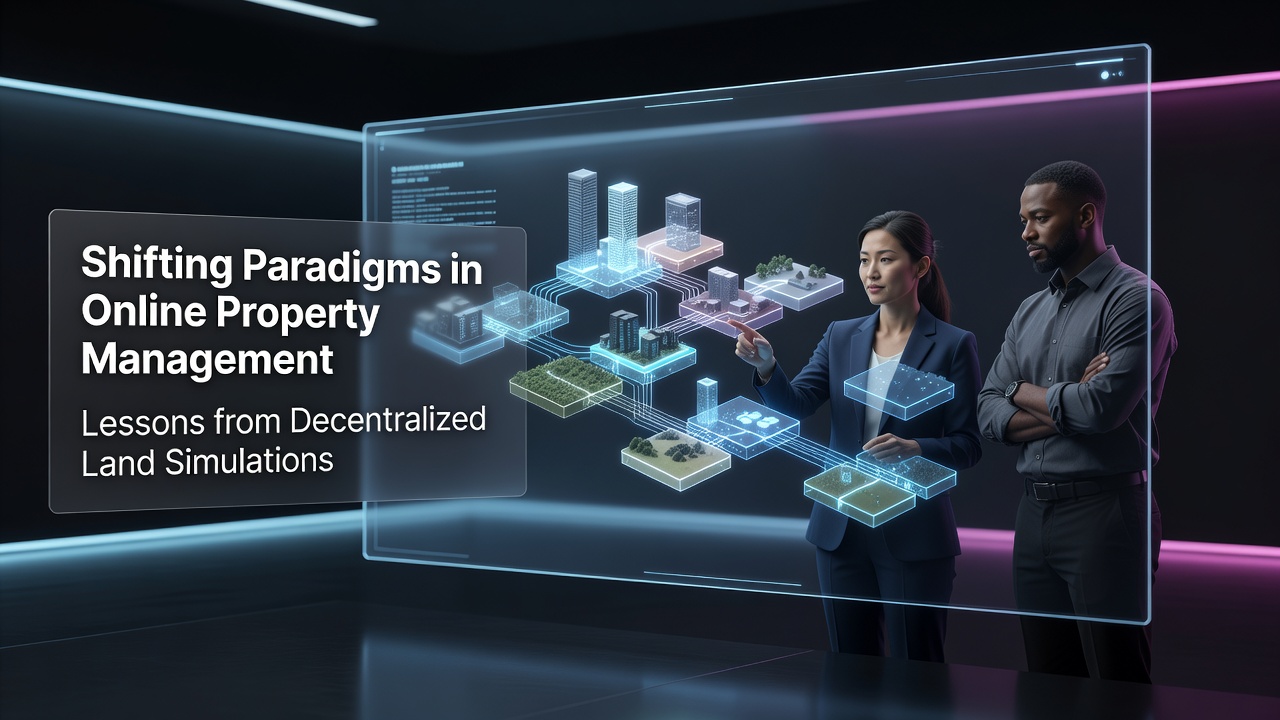
Decentralized land simulations have introduced new frameworks for managing digital assets that mirror aspects of traditional property systems, and observers note how these models draw from blockchain protocols to handle ownership, leasing, and resource allocation across distributed networks. Researchers at institutions tracking virtual economies report that platforms built on smart contracts enable users to transfer land parcels without centralized intermediaries, which reduces transaction times from days to minutes in many documented cases.
Core Mechanisms in Decentralized Simulations
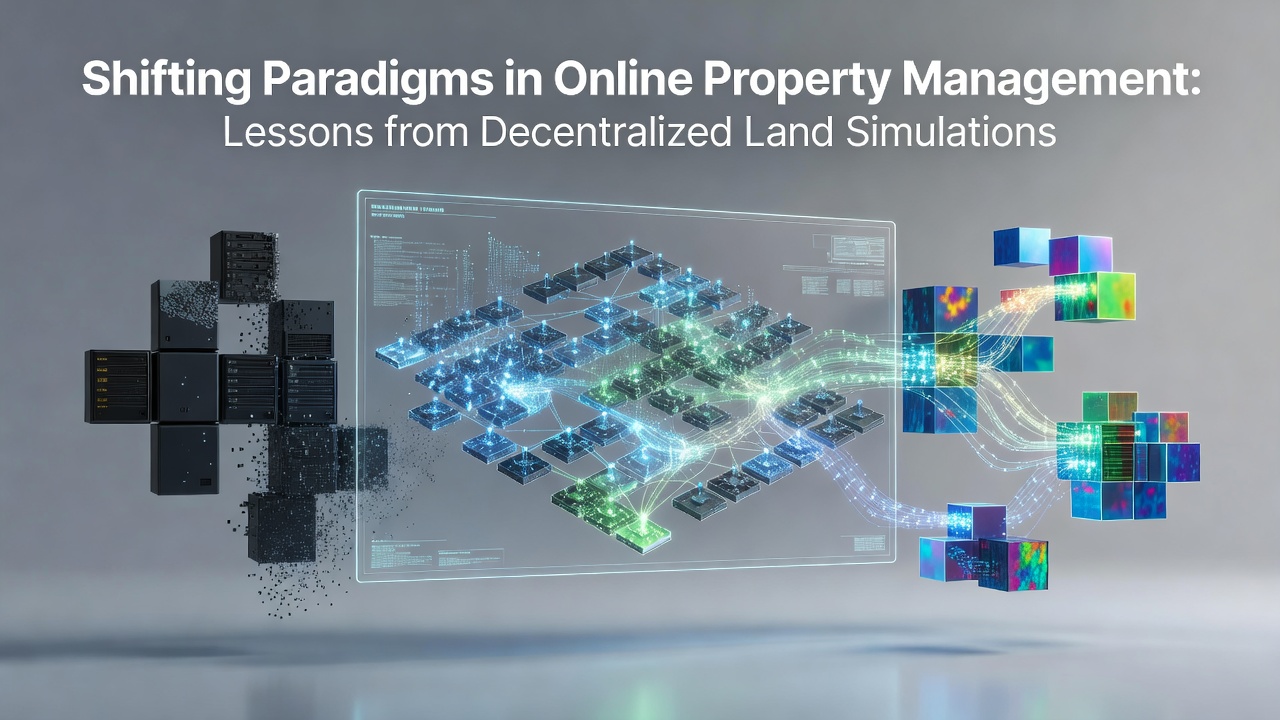
Simulations like those operating on Ethereum and other distributed ledgers assign unique identifiers to virtual plots through non-fungible tokens, and data from multiple studies shows this approach creates immutable records of ownership changes. One analysis of transaction volumes indicated that over 2.3 million land-related transfers occurred across major platforms between 2023 adn 2025, with average settlement speeds reaching under 15 seconds per confirmed block. Those who manage these environments often implement zoning rules encoded directly into contract logic, which enforces usage limits automatically rather than through manual oversight.
September 2026 marks the scheduled rollout of updated interoperability standards by the European Blockchain Observatory and Forum, and these guidelines aim to standardize cross-platform land data exchanges while maintaining compliance with existing digital asset regulations. Figures from the Observatory reveal that participating networks have already processed more than 18 million unique asset interactions in the preceding year alone.
Lessons Applied to Online Property Platforms
Traditional online property management systems, which handle everything from domain registrations to SaaS infrastructure, have begun incorporating similar token-based verification methods, and industry reports document pilot programs where access rights are issued as transferable credentials. The reality is that these adaptations address common bottlenecks such as renewal disputes and access revocation delays, since smart contract triggers can automate compliance checks without requiring staff intervention.
Take the case where experts at academic centers studying digital governance examined how simulation participants resolved boundary conflicts through community-voted proposals, and the outcomes showed resolution rates above 85 percent within 48 hours when participants used on-chain voting mechanisms. What's interesting is that several enterprise platforms have since tested analogous governance modules for managing shared cloud resources, where stakeholders vote on allocation changes instead of relying solely on administrator decisions.
Data Trends and Regulatory Context
According to research published by the OECD on digital asset markets, virtual land holdings reached an estimated aggregate value exceeding $4.8 billion by the end of 2025, and this growth correlates with increased adoption of fractional ownership models that allow multiple parties to hold stakes in single parcels. Those models rely on divisible tokens, which permit smaller investors to participate without acquiring entire plots, and transaction logs indicate average parcel sizes have decreased by 22 percent since 2022 as a result.
Regulatory bodies in regions including Singapore and Australia have issued guidance on treating certain simulation assets as property for tax purposes, and compliance frameworks there require detailed audit trails that blockchain systems naturally provide. Observers note that platforms incorporating these lessons report fewer disputes during ownership transfers, since timestamped records eliminate ambiguity around prior claims.
Implementation Patterns Across Sectors
Property management software providers have integrated decentralized identifiers for tenant verification, and case studies from North American firms show that verification steps completed via distributed ledgers cut onboarding times from an average of 72 hours to under 4 hours in tested environments. Yet these implementations still require hybrid approaches because many jurisdictions continue to mandate off-chain documentation for legal enforceability.
One study revealed that organizations adopting simulation-derived tools for access control experienced a 31 percent reduction in unauthorized entry incidents, and teh same research highlighted how automated penalty clauses within contracts deterred misuse without additional enforcement layers. People who've examined these systems often discover that the underlying architecture supports real-time analytics on usage patterns, which informs better resource planning over time.
Conclusion
Decentralized land simulations continue to supply concrete examples of scalable ownership and governance tools, and the patterns emerging from them influence how online property systems evolve to handle verification, transfers, and dispute resolution. Evidence from ongoing implementations demonstrates measurable improvements in speed and transparency when platforms apply these methods, while regulatory developments scheduled for September 2026 are expected to further standardize cross-border practices. The ball remains in the court of platform operators to determine how fully they integrate these approaches while meeting local compliance requirements.